
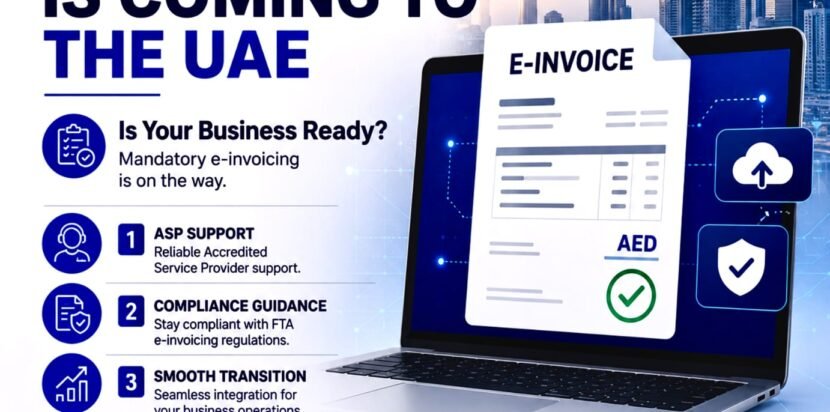
Mandatory E-Invoicing UAE: Everything Businesses Need to Know
The UAE is taking another major step toward digital transformation. Mandatory e-invoicing UAE is expected to become a standard requirement for businesses, changing the way invoices are created, exchanged, and reported.
If your company still relies on traditional PDF or paper invoices, now is the perfect time to prepare. Although many businesses have heard about e-invoicing, not everyone understands what it means or how it will affect daily operations.
In this guide, you’ll learn what mandatory e-invoicing is, why the UAE is introducing it, who it impacts, and how your business can prepare for a smooth transition.
What Is Mandatory E-Invoicing UAE?
Mandatory e-invoicing is a government initiative that requires businesses to issue invoices electronically using a standardized digital format instead of traditional invoices.
Unlike simply emailing a PDF invoice, an electronic invoice contains structured data that can be processed automatically by accounting systems and government platforms. As a result, invoice validation, reporting, and compliance become much faster and more accurate.
Furthermore, the UAE’s e-invoicing framework is expected to align with international digital tax standards, helping businesses improve transparency while reducing manual processes.
Why Is the UAE Introducing Mandatory E-Invoicing?
The UAE government continues to invest heavily in digital innovation. Therefore, introducing mandatory e-invoicing supports several national objectives.
Some of the key goals include:
- Improving tax compliance
- Reducing invoice fraud
- Increasing business transparency
- Simplifying financial reporting
- Speeding up invoice processing
- Supporting digital business operations
Moreover, businesses that adopt digital invoicing early can streamline their accounting processes before compliance deadlines arrive.
How Does E-Invoicing Work?
Instead of manually creating invoices, businesses generate electronic invoices through approved accounting or ERP systems.
Typically, the process includes:
- Creating the invoice electronically.
- Validating the invoice according to required standards.
- Sending the invoice digitally to the customer.
- Maintaining secure digital records.
- Sharing invoice information with the relevant government system when required.
Consequently, businesses spend less time on paperwork and more time focusing on growth.
Benefits of Mandatory E-Invoicing UAE
Faster Invoice Processing
Electronic invoices are generated, sent, and received instantly. Therefore, businesses can reduce delays and improve cash flow.
Improved Accuracy
Since invoices are generated directly from accounting systems, manual data entry errors are significantly reduced.
Better Compliance
Businesses can more easily comply with UAE tax regulations because invoice information is standardized and digitally recorded.
Enhanced Security
Digital invoices provide better traceability and reduce the risk of lost or altered documents.
Lower Operational Costs
In addition, businesses save money on printing, storage, courier services, and manual processing.
Better Business Insights
Because invoice data is digitized, companies can generate financial reports more efficiently and make informed business decisions.
Who Will Be Affected?
Mandatory e-invoicing is expected to impact businesses across various industries, including:
- Trading companies
- Professional service firms
- Retail businesses
- Manufacturing companies
- Healthcare providers
- Technology companies
- Hospitality businesses
- Logistics companies
Whether you operate a small business or a large enterprise, preparing early will help ensure a smooth transition.
Challenges Businesses May Face
Although e-invoicing offers many benefits, businesses may encounter a few challenges during implementation.
For example:
Updating Existing Systems
Older accounting software may require upgrades or integration with compliant e-invoicing platforms.
Employee Training
Staff members will need to understand the new invoicing process to avoid operational disruptions.
Data Accuracy
Incorrect customer or tax information can lead to validation issues. Therefore, maintaining accurate records becomes increasingly important.
System Integration
Businesses using multiple software applications may need technical support to ensure seamless connectivity.
However, with proper planning and expert guidance, these challenges can be managed effectively.
How to Prepare for Mandatory E-Invoicing UAE
Preparing early can save both time and money. Here are some practical steps your business can take.
Review Your Accounting Software
First, determine whether your current accounting or ERP system supports e-invoicing requirements.
Organize Business Data
Ensure customer records, VAT details, and company information are accurate and up to date.
Understand Compliance Requirements
Stay informed about the latest UAE e-invoicing regulations and implementation timelines.
Work with Experts
Partnering with experienced business consultants can simplify the transition and reduce compliance risks.
Train Your Team
Finally, educate your finance and accounting staff so they can confidently manage the new invoicing process.
How Don & Company Can Help
At Don & Company Global Business Solutions, we help businesses prepare for mandatory e-invoicing with confidence.
Our services include:
- E-invoicing readiness assessment
- Accredited Service Provider (ASP) support
- Compliance guidance
- Accounting system evaluation
- Business process consultation
- Smooth implementation support
As a result, your business can transition efficiently while remaining compliant with evolving UAE regulations.
Why Early Preparation Matters
However, many businesses wait until regulations become mandatory before taking action. However, early preparation offers significant advantages.
It allows your business to:
- Avoid last-minute implementation challenges
- Reduce compliance risks
- Improve operational efficiency
- Train employees gradually
- Ensure uninterrupted business operations
Therefore, preparing today can prevent costly disruptions tomorrow.
Final Thoughts
Mandatory e-invoicing UAE represents a major milestone in the country’s digital transformation journey. Although the transition may seem challenging at first, businesses that prepare early will benefit from improved efficiency, stronger compliance, and better financial management.
Whether you need help assessing your current systems or implementing a compliant e-invoicing solution, working with experienced professionals can make the process much smoother.
Now is the right time to evaluate your business readiness and take the necessary steps toward a seamless digital future.
Frequently Asked Questions (FAQs)
Is e-invoicing mandatory in the UAE?
The UAE is implementing mandatory e-invoicing in phases. Businesses should monitor official announcements and prepare their systems in advance.
What is an electronic invoice?
An electronic invoice is a digitally generated invoice containing structured data that can be processed automatically by accounting systems.
Will small businesses need e-invoicing?
Depending on the implementation phases and regulatory requirements, many businesses may eventually need to comply.
What are the benefits of e-invoicing?
E-invoicing improves efficiency, reduces errors, enhances compliance, lowers operational costs, and simplifies financial reporting.
How can Don & Company help?
Don & Company provides readiness assessments, compliance guidance, ASP support, and implementation assistance to help businesses transition smoothly to mandatory e-invoicing.